Priya Kambli
exploring different worlds

My work inadvertently examines the question asked by my son Kavi at age three; did I belong to two different worlds, since I spoke two different languages? The essence of his question continues to be a driving force in my art making.
My photographic approach is grounded in interventions with my family inheritance – a personal archive of photographs and heirlooms. My work with this archive, brought with me to the United States at age 18, a few years after my parent’s death, places my work in the context of migrant narratives and feminist practice, drawing new lines of belonging for the future.
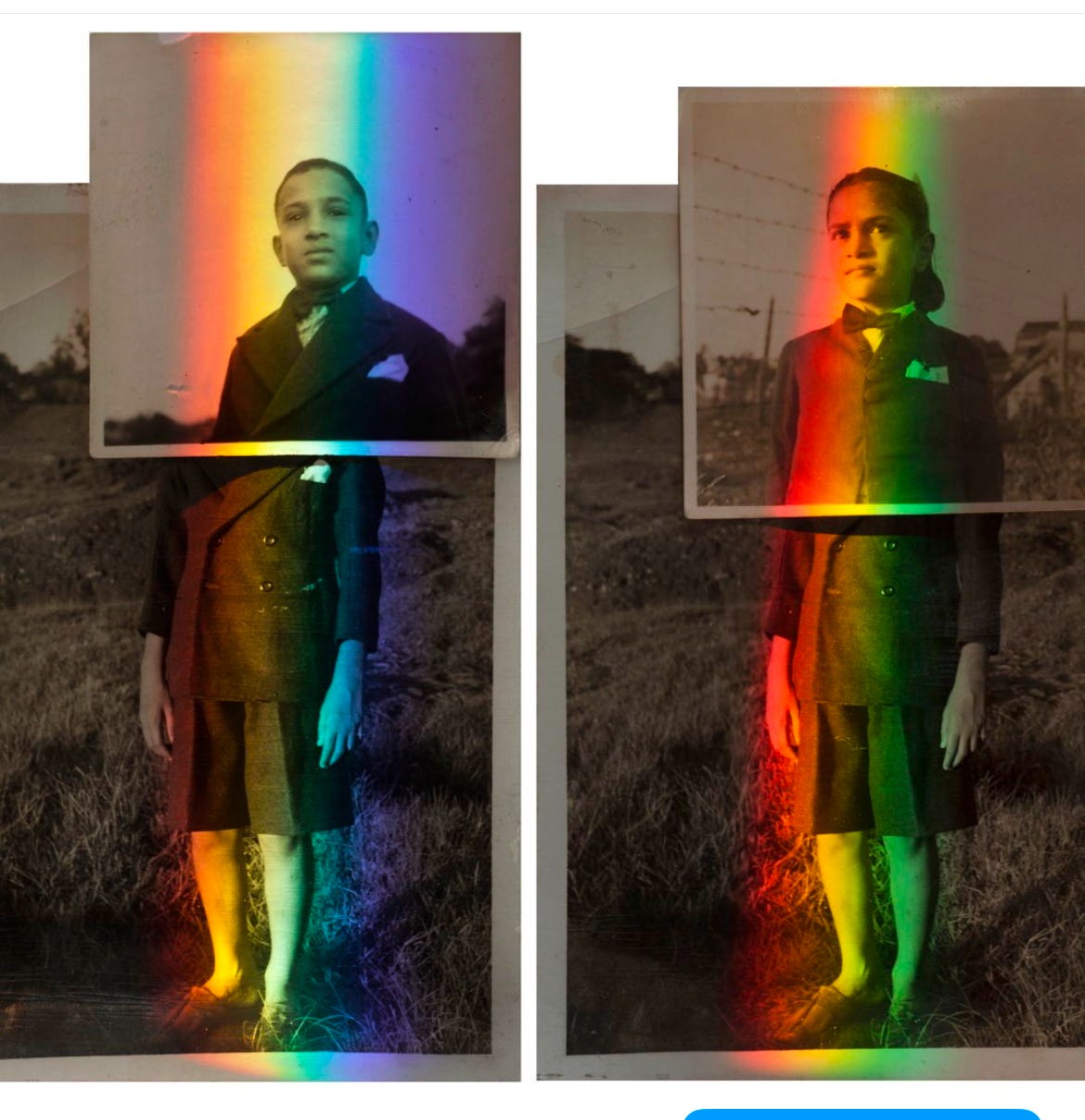
In my images, my archive constrains what can be said of the past. It is full of gaps. One of the people sealed within is my father, the original archivist and documentarian. He was the author of the majority of the images in the archive. And the other significant presence is of my mother. My father photographs are documents – ostensibly of some happy occasion, or milestone in our lives. And these mundane family photographs are complicated by my mother’s mark making. She cut holes in certain photographs to completely obliterate her own face while not harming the image of my sister and myself beside her, and then slid them back into the family album. I am interested in both narratives – my father’s carefully composed efforts to document our lives and my mother’s violent but precise excisions. These family dynamics form the foundation on which my artistic work rests, guiding its form as well as its vocabulary.
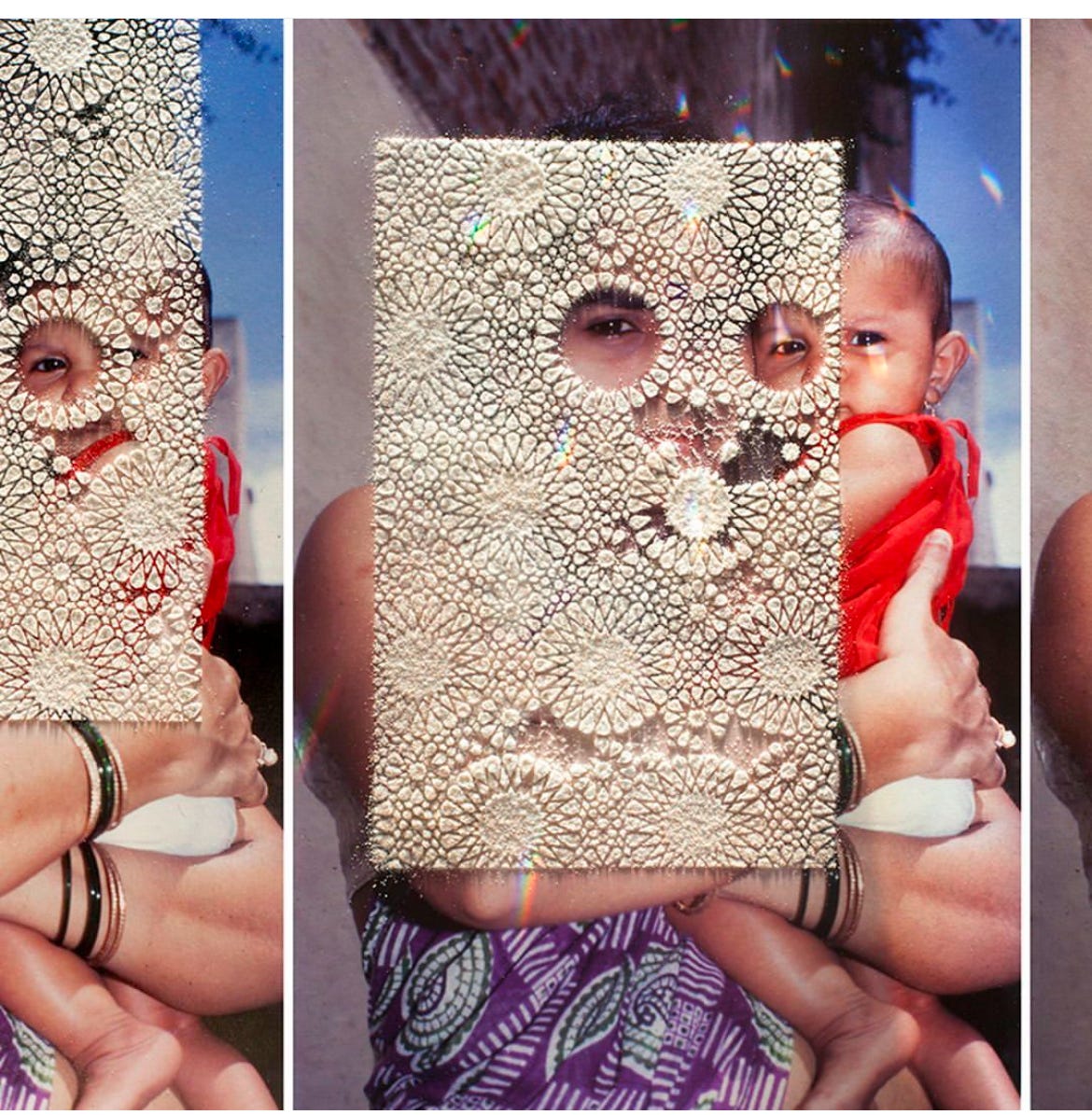
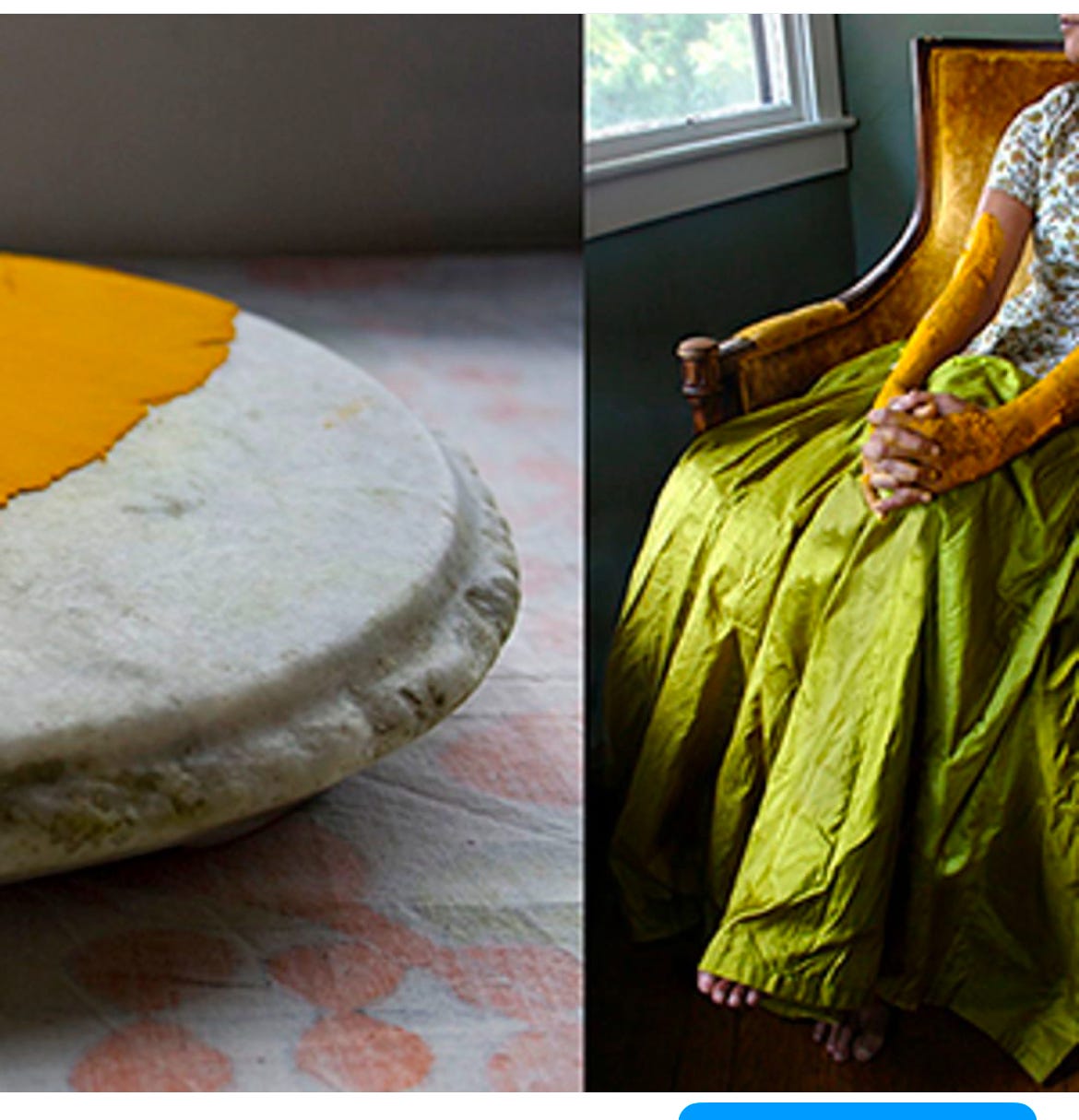
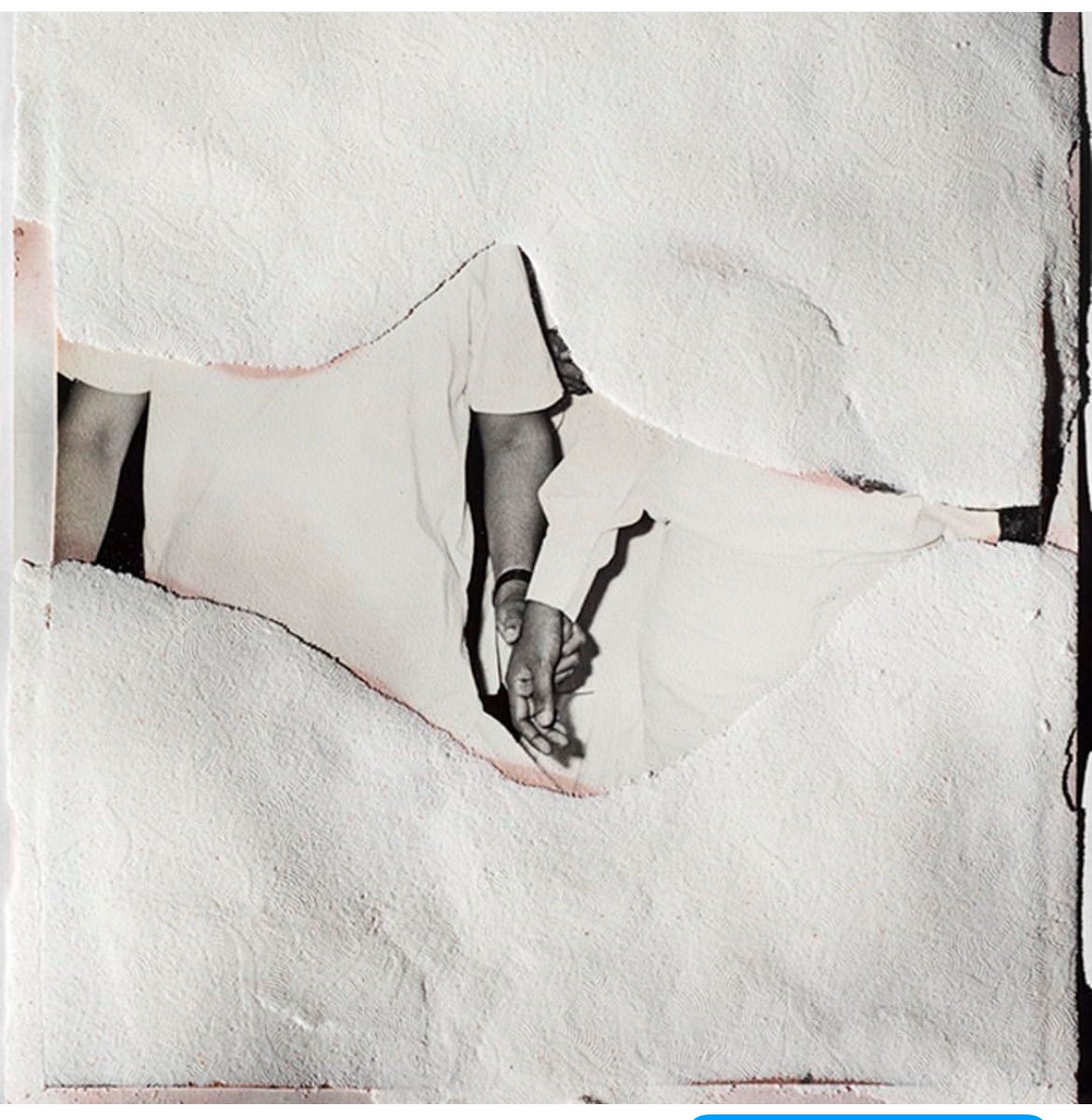
In the body of work Shubh Mangal Savdhan (a mantra that announces and cautions at the same time, the arrival of the auspicious wedding moment), I am re-contextualizing photographs from two different wedding albums -my parents’ and my maternal uncle’s - by obscuring and revealing information. The occlusion of the photograph is done using flour- the alterations I make to these photographs, the use of pattern in and on top of the object, have been described as a form of fenestration. Though they obscure the image, they create windows through which underlying structures are revealed.
Objects of Worship.
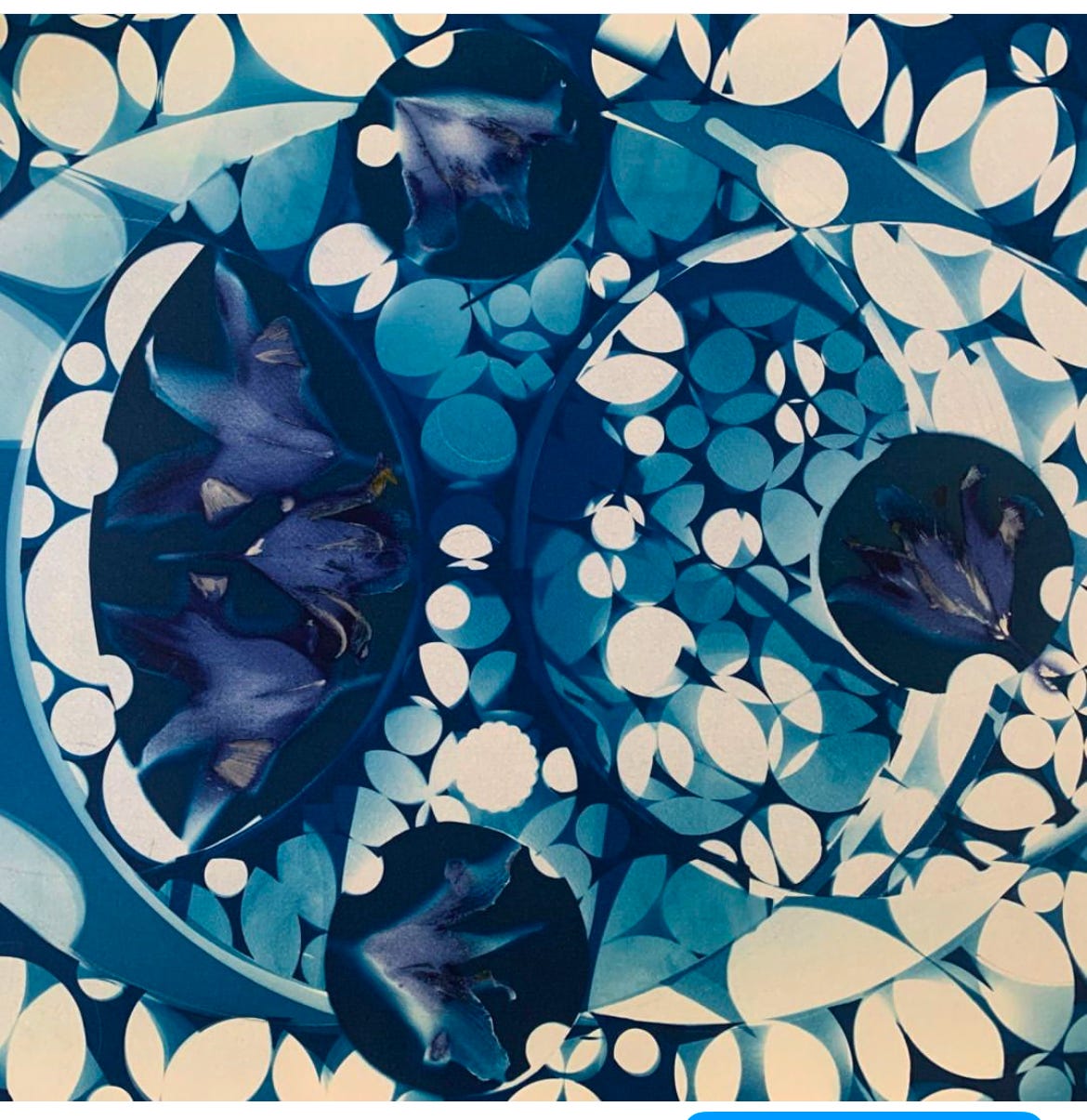
The cyanotypes draw from the Indian tradition of daily women’s ritualistic art, Kolam drawing. The Kolam drawing geometric patterns drawn with rice flour on the ground at the threshold (a meeting point of the internal and external) of the home, demand concentration, memory and disciplined hand and body movements and are considered a sign of the talent and prowess of a woman in her capacity as the proprietor of the household. The cyanotypes, created by placing my mother's objects of worship on the paper and documenting the traces of their movement over the course of the day, are ingrained in conversations about the transitory nature of material life.